
Research & Clinical Evidence
Research on yoga and related mind-body practices continues to evolve. This is not intended to be a comprehensive bibliography; rather, it is a curated collection of research and clinical guidelines that I find particularly relevant, well-designed, or useful in understanding the evolving evidence around yoga and its potential role in supporting health and well-being.
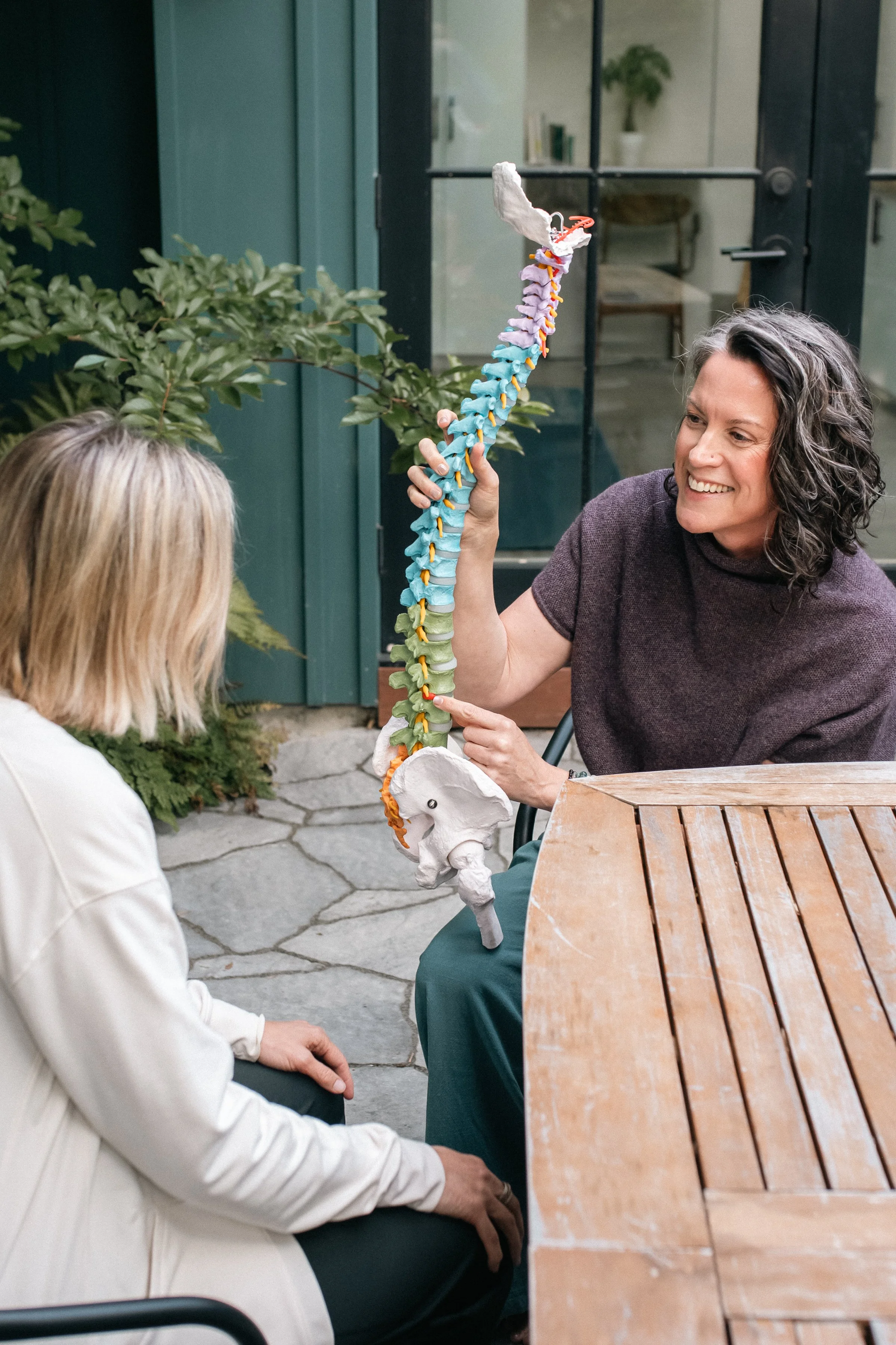
Research
Chronic Pain & Low-Back Pain
Yoga for chronic non-specific low back pain – Wieland et al., 2022
Cochrane systematic review of 21 randomized trials finding small improvements in pain and back-related function compared with no exercise; outcomes were generally similar to other back-focused exercise.Healthy Aging & Physical Function
The effects of yoga compared to active and inactive controls on physical function and health-related quality of life in older adults – Sivaramakrishnan et al., 2019
Systematic review and meta-analysis of randomized controlled trials examining yoga's effects on physical function and health-related quality of life in adults age 60 and older.Healthy Aging – Balance, Strength & Flexibility
Effects of yoga on physical and psychological health among community-dwelling older adults – 2023
Systematic review and meta-analysis of randomized controlled trials finding improvements in balance, flexibility and muscle strength, with more limited evidence for psychological outcomes.Balance & Mobility in Older Adults
Yoga-based exercise improves balance and mobility in people aged 60 and over – Youkhana et al., 2016
Systematic review and meta-analysis finding improvements in balance and physical mobility; evidence was insufficient to determine whether yoga itself reduces falls.Chronic Musculoskeletal Conditions in Older Adults
The effectiveness of yoga on pain, physical function, and quality of life in older adults with chronic musculoskeletal conditions – 2021
Systematic review examining yoga for pain, physical function and quality of life among older adults living with chronic musculoskeletal conditions.Menopause
The effectiveness of yoga on menopausal symptoms – Wang et al., 2025
Systematic review and meta-analysis of 24 randomized controlled trials finding improvements in several menopausal, sleep and psychological outcomes; significant benefits were not found for hot flashes or overall quality of life compared with usual care.Quality of Life
Effects of yoga on measures of health-related quality of life from SF-36 and SF-12 assessments – Benavidez & Hart, 2017
Systematic review and meta-analysis examining the relationship between yoga interventions and standardized measures of physical and mental health-related quality of life.Meditation, Stress & Psychological Well-Being
Meditation programs for psychological stress and well-being – Goyal et al., 2014
Systematic review and meta-analysis of 47 randomized trials finding moderate evidence that mindfulness meditation programs can improve anxiety, depression and pain, with less or insufficient evidence for several other outcomes.Grief & Bereavement
Mindfulness in Adaptation to Bereavement: A Systematic Review – Sun et al., 2025
Systematic review of 13 studies involving more than 2,000 bereaved adults. Mindfulness and mindfulness-based interventions showed promise for depression, anxiety and other mental health concerns following bereavement, while findings for prolonged grief symptoms were mixed and further high-quality research is needed.Cancer-Related Fatigue
Yoga for fatigue in people with cancer – Messer et al., 2025
Cochrane review of 21 randomized controlled trials involving more than 2,000 people with cancer. Yoga practiced after cancer treatment probably produced a small short-term improvement in cancer-related fatigue; evidence during treatment and for longer-term outcomes was considerably less certain.Depression
Yoga for Depressive Disorder: A Systematic Review and Meta-Analysis – Moosburner et al., 2024
Systematic review of 24 randomized controlled trials finding short-term improvements in depression severity compared with passive controls and higher remission rates compared with both passive and active controls. The certainty of evidence ranged from moderate to very low across outcomes.
Clinical Guidelines
Low-Back Pain
American College of Physicians Clinical Practice Guideline – Qaseem et al., 2017
Clinical guideline recommending that clinicians and patients initially consider non-drug approaches for chronic low-back pain, including exercise, mindfulness-based stress reduction, tai chi and yoga.Cancer Care
Integrative Oncology Care for Symptoms of Anxiety and Depression in Adults With Cancer – Society for Integrative Oncology/ASCO, 2023
Evidence-based clinical guideline identifying yoga among integrative approaches that may be offered for anxiety and depression in some people during and after cancer treatment.Falls Prevention
World Guidelines for Falls Prevention and Management for Older Adults – 2022
International clinical guideline emphasizing individualized balance, functional and strength exercise for fall prevention and discussing mind-body approaches, including yoga, within the broader evidence base for physical activity.Osteoarthritis
American College of Rheumatology/Arthritis Foundation Guideline for the Management of Osteoarthritis – Kolasinski et al., 2020
Evidence-based guideline for hand, hip and knee osteoarthritis that conditionally recommends yoga as one of several non-pharmacologic approaches, alongside strongly recommended interventions such as exercise and tai chi.