
Sacred Play
/
© NICOLE BRATT
Hello, friends,
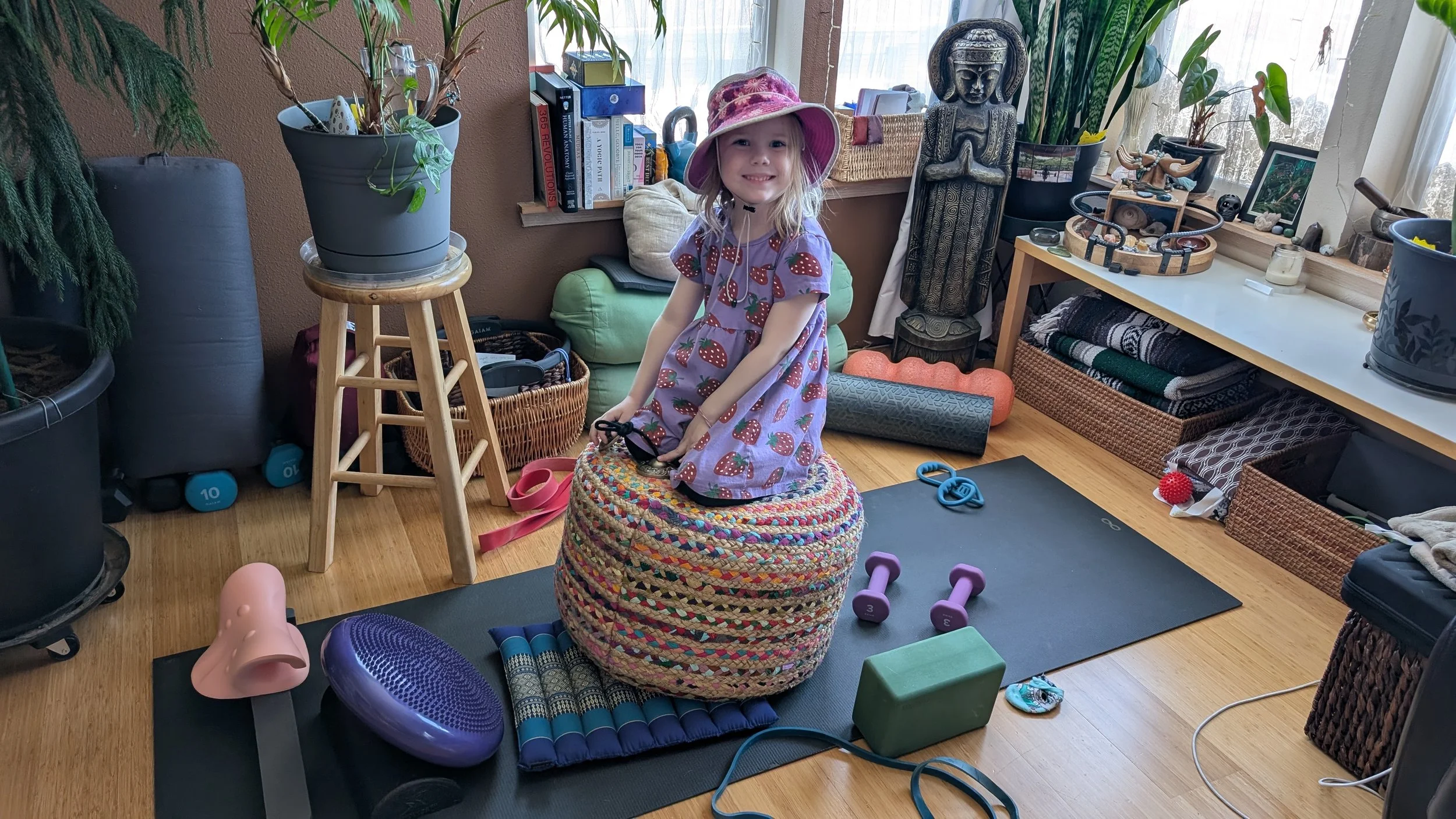
This past weekend I spent some time with a four-year-old – the daughter of friends – and was reminded, again, of something we seem to forget along the way: how to play.
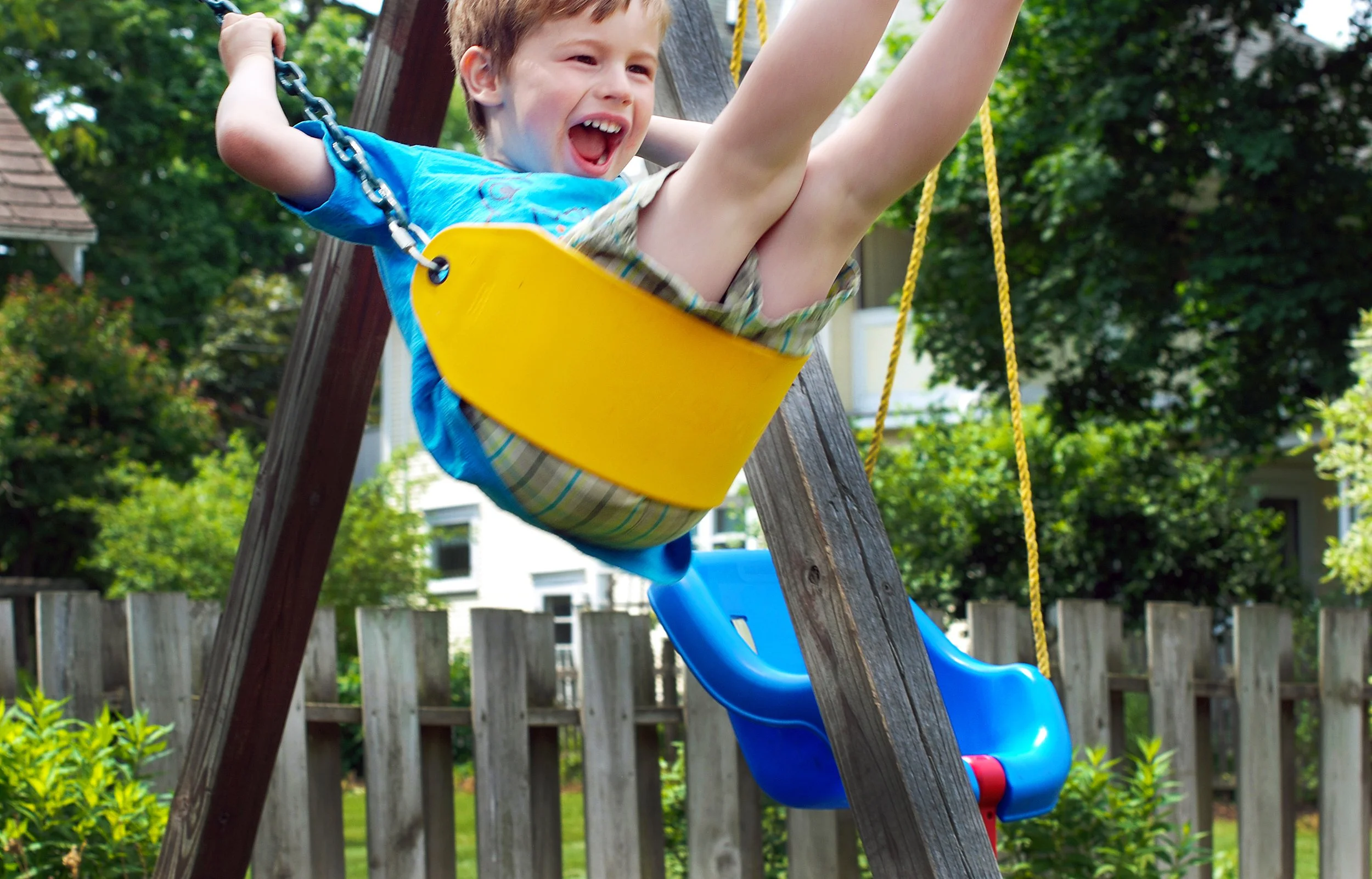
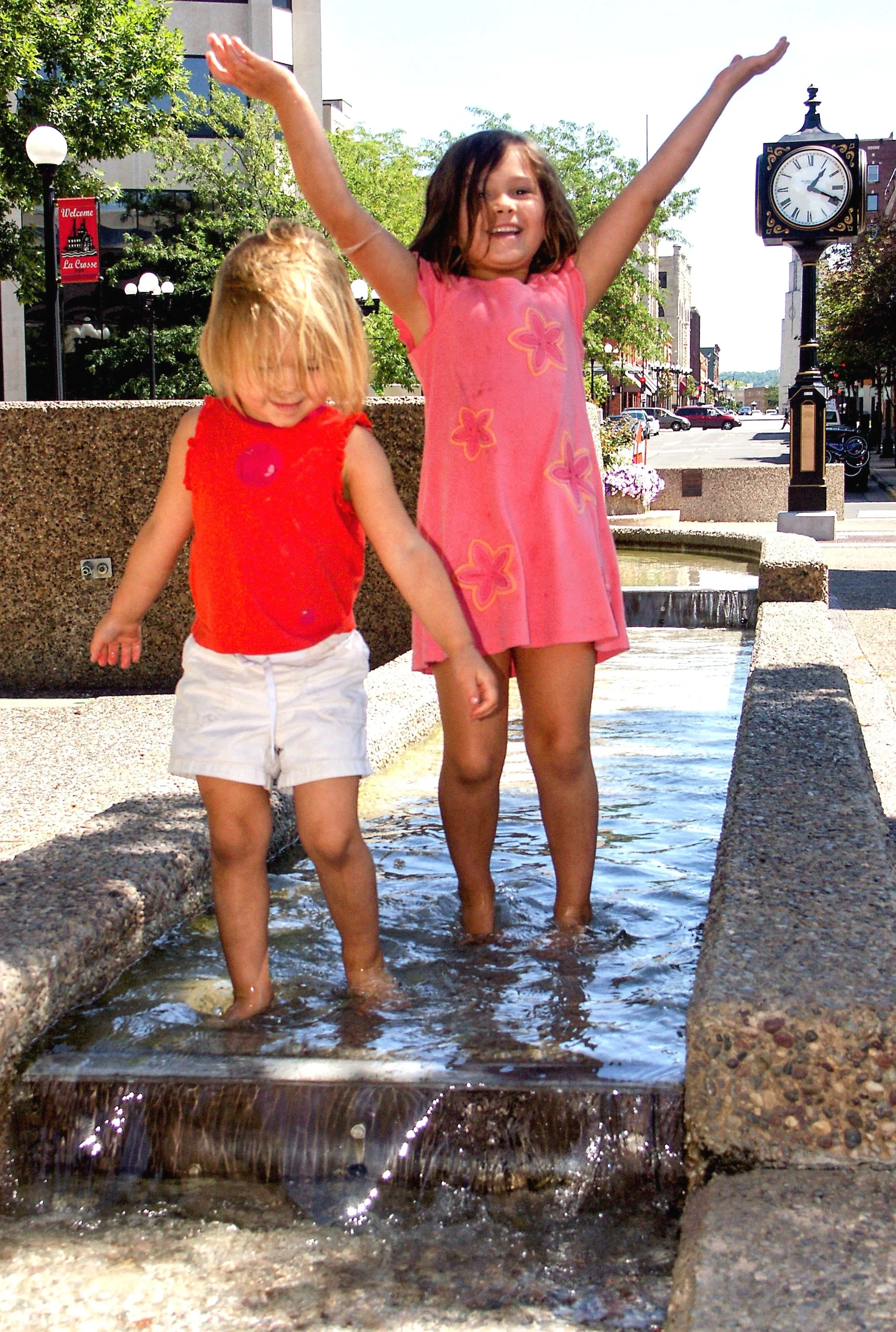
Young children live in a kind of effortless presence. There’s spontaneity. Creativity. Delight.
Anything becomes a toy. Everything is interesting.
They ask direct questions – simple, honest, without overthinking.
Their expression isn’t yet filtered or constrained in the ways ours becomes over time.
And it made me wonder: Where does that go?
At what point do we shift from that natural orientation toward play… to a life that feels dominated by work, responsibility, and worry?
Of course, part of growing up is learning that we can’t play all the time. There are real demands – jobs, money, families, health, the steady stream of logistics that make up adult life.
But somewhere along the way, many of us don’t just play less – we lose it almost entirely. Or, when we do “play,” it’s alongside a kind of absence or distraction.
It’s striking how often adult play is tied to substances – alcohol, cannabis, etc – at dinners, parties, concerts, vacations. There’s almost an implicit message: this is what we need to be able to relax and let go, this is how we access fun. (No judgment here; I have partaken, but I am noticing.)
And these things often pull us away from presence, not toward it.
So the question becomes: Have we forgotten how to play as our natural selves?
Not checked out. Not half-distracted with everything else we think we “should” be doing.
Just here, now, in the present with openness.
Because even when we carve out time for something enjoyable, we often aren’t fully in it. The mind is elsewhere – running the background chatter of our to-do lists, anticipating what’s next, carrying the low hum of stress that has become so familiar.
And that background noise matters. It shapes the grooves we live in. It shapes our ability to be in the present and enjoy ourselves fully.
So I’ve been sitting with a simple concept lately: sacred play.
Not in a lofty or performative sense. But in a very practical one.
What would it look like to treat play as something essential – worthy of protection, intention, and respect?
I think it starts with this:
Choosing to set aside time that is specifically for play. Time where you are not working, not planning, not catching up. Time that is loosely held, but clearly protected.
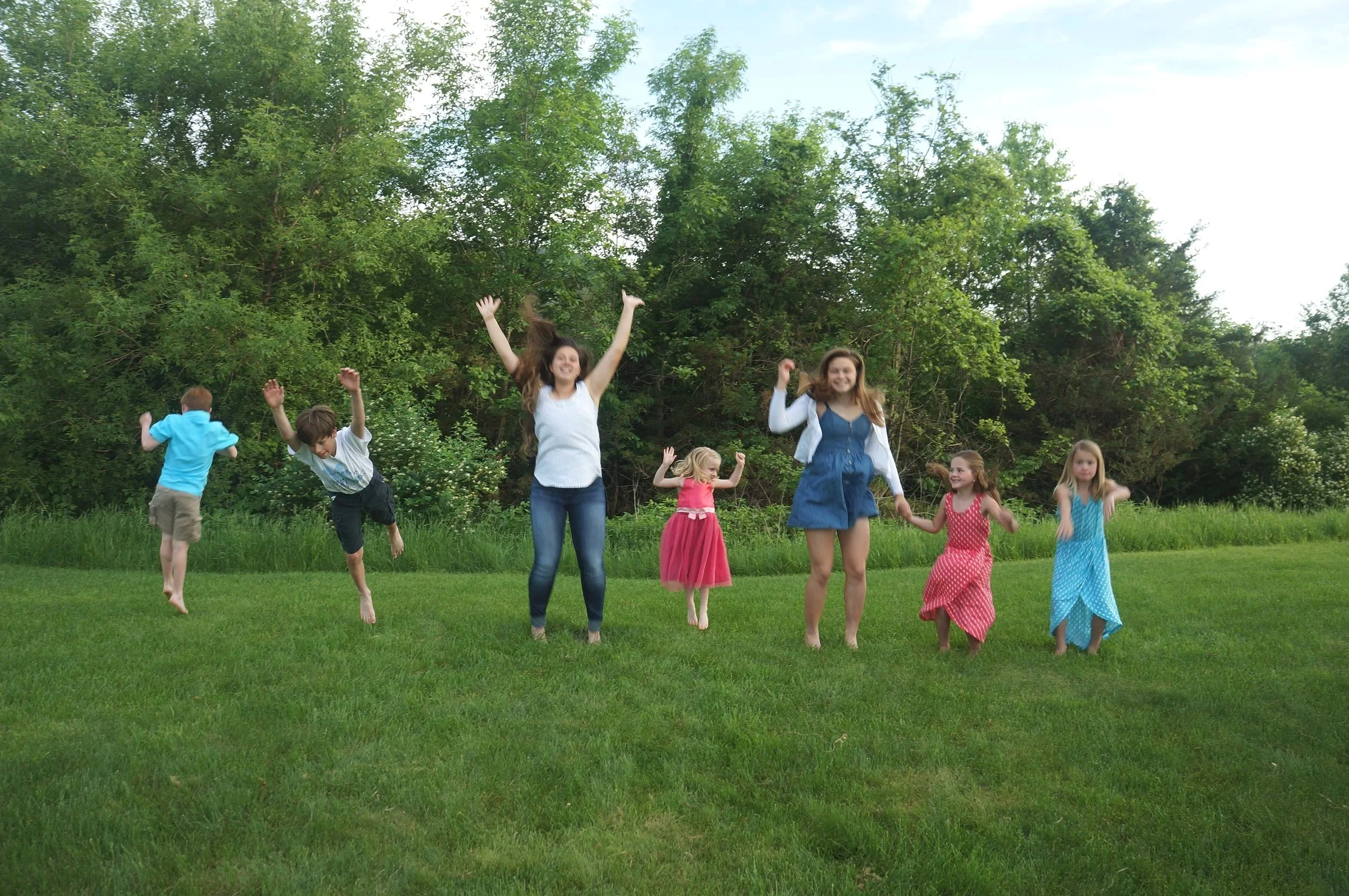
You might plan something – a walk, drawing, music, time outside, movement, wandering through a bookstore, trying something new. And when that time arrives, let it be guided by what actually feels alive in the moment. After all, spontaneity is a key aspect of play! If the plan still feels good, follow it. If not, change it.
The only parameter: it should bring some sense of delight, curiosity, and/or freedom.
For many adults, this can feel surprisingly difficult at first! Like a muscle that hasn’t been used in a long time. But I assure you, it’s still there.
And in the yogic framework, this kind of play nourishes our anandamaya kosha – the layer of our being associated with joy or bliss, connection with something larger than ourselves, and a sense of contentment.
In yoga, you hear a lot about how we tend to our physical body and our breath to try to steady the mind. But this anandamaya layer – this capacity for simple, unstructured joy, said to be our most natural state – often gets neglected in adulthood (and even in many teens I know).
And it is so important. Not as an indulgence, but as an integral part of your whole-person well-being. This is why playtime is sometimes given as homework in yoga therapy!
So this is your invitation to experiment:
Choose a pocket of time this week. Protect it. And let it be for PLAY!
No productivity. No outcome. Just presence, creative curiosity, and a willingness to follow what feels light.
You may find it’s not as far away as it seems.
Let me know how it goes.
In sacred play,
Nicole
© NICOLE BRATT
© NICOLE BRATT
© NICOLE BRATT