
Reclaiming Our Attention in the Attention Economy
/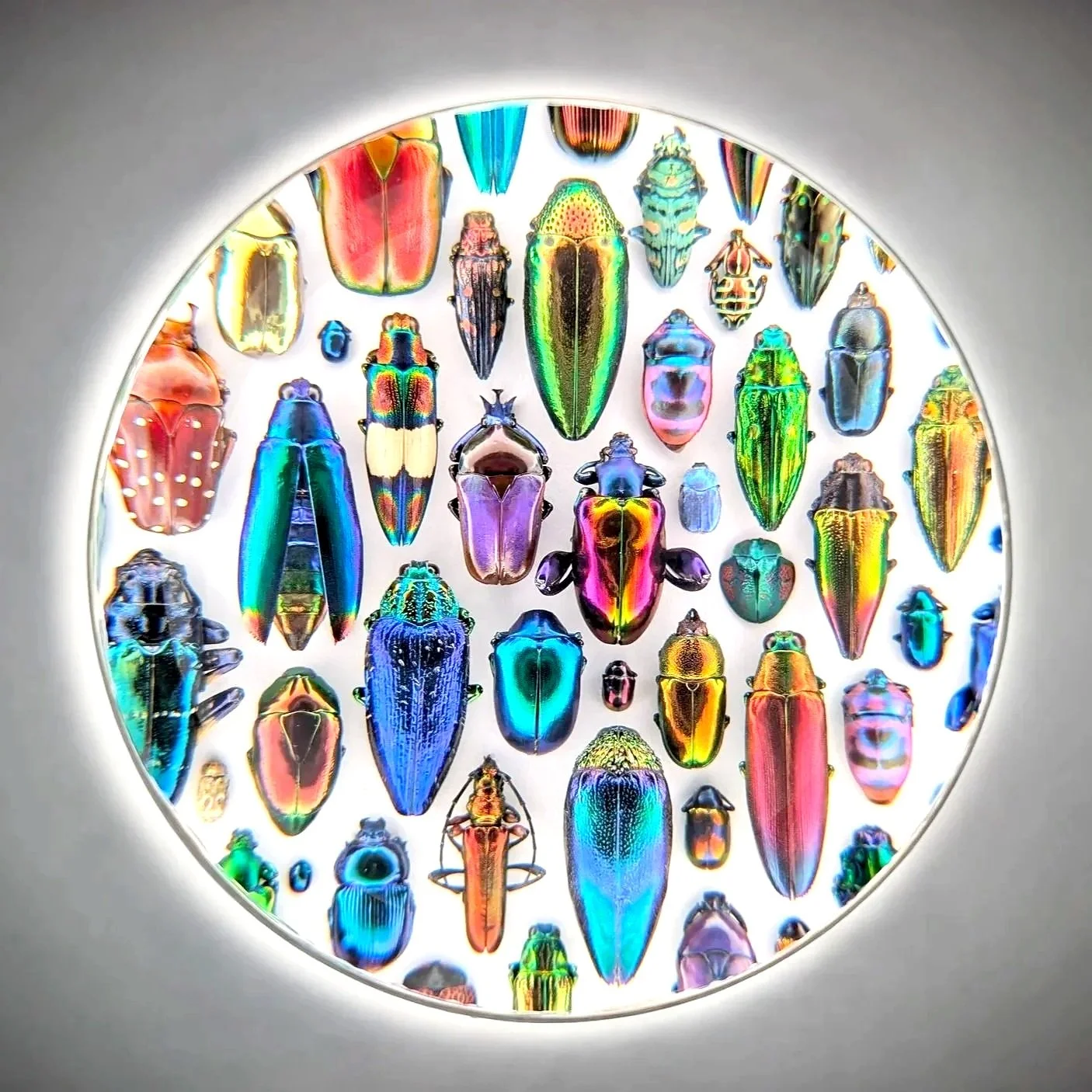
PHOTO ©NICOLE BRATT – Detail from Exquisite Creatures exhibit by Christopher Marley
Hello, friends,
We live in an attention economy.
(Although lately I’ve been thinking about it as a “distraction economy”.)
I don’t think this is a new idea for most of us anymore.
But it’s not just our attention, is it? It’s our consumption, too.
It’s invasive and ubiquitous – the music in grocery stores designed to make us want to shop, ads blaring at you from the gas pump, end-aisle product placement in big box stores for those impulse buys, billboards while you are stuck in traffic, the endless rabbit hole of social media, streaming platforms galore, algorithms feeding you sidebar ads while you read the NYTimes, “suggested” content, and the constant din of a 24-hour news cycle. On most airplanes, there are screens maybe 12 inches from your face, offering more things to consume. It’s all competing to keep us focused on whatever they are selling. And the cacophony continues to grow louder every year.
If you’ve seen the movie WALL-E, does it feel like we’re inching closer to that reality in some ways?
So much is designed to hook us – to keep us in our seats, on our screens, and zoned out.
So many systems rely on us spending money or scrolling endlessly to satisfy an urge, an impulse, an imagined need, or (once in a while) a legit need. The line between those things can get blurry when we are tired, distracted, overwhelmed, or disconnected from ourselves.
So what do we do with that?
This is where mindfulness comes in.
This is where yoga practice comes in.
This is where taking time to reclaim our attention becomes so powerful.
Because we get good at what we practice.
And sometimes, without realizing it, what we are practicing is distraction. Reactivity. Doom scrolling. Consumption. Curated fear. The habit of letting our attention be pulled away from our own center, and even from reality.
In yoga philosophy, this is connected to the concept of avidyā – often translated as ignorance, misunderstanding, or not seeing clearly. Not ignorance as a personal failing, but as a kind of fog. A misperception.
Practice helps us bring what is foggy or unconscious into awareness, and reclaim our attention. And once something is in focus, we have choice.
This can be summed up by Viktor Frankl’s philosophy (paraphrased by Stephen Covey as): “Between stimulus and response there is a space. In that space is our power to choose our response. In our response lies our growth and our freedom.”
Mindfulness practice gives us that space back. We pause. We listen. We ask: What is actually going on here? Where is my attention going, and do I want to keep giving it away? What does my deeper wisdom tell me?
This is a superpower of yoga and mindfulness practices. They help us come back home to ourselves – to the body, the breath, the heart, the mind. They give us a way to notice what we are feeling, what we are needing, and what we are choosing. They give us back the power of our autonomy.
And this has to be a consistent practice, because the attention economy is relentless. It runs 24 hours a day, 365 days a year. (Goodness, did you see the onslaught of promotional Mother’s Day emails in your inbox?)
And so, we return.
Again and again.
This is what the yogis meant by the concept of tapas – the heat, discipline, and devotion of returning to practice. Not in a harsh or punishing way, but as a steady commitment to what helps us live with more clarity, intention, and freedom.
Whatever your practice looks like – movement, breath, meditation, rest, time away from screens, a nature walk, time spent in your garden, a few moments with your hand on your heart – it matters.
Each time we return, we strengthen the part of us that remembers.
We reclaim our attention.
We reclaim our wisdom.
We reclaim our center.
And in a world constantly asking us to look away from ourselves, that is no small thing.
Reclaiming my own attention one breath at a time,
Nicole
PS. It’s not lost on me that my emails are part of this “cacaphony” of attention seeking elements being put out into this world. Thank you for taking the time to look at these photos I want to share, and maybe reading my thoughts in the written form.
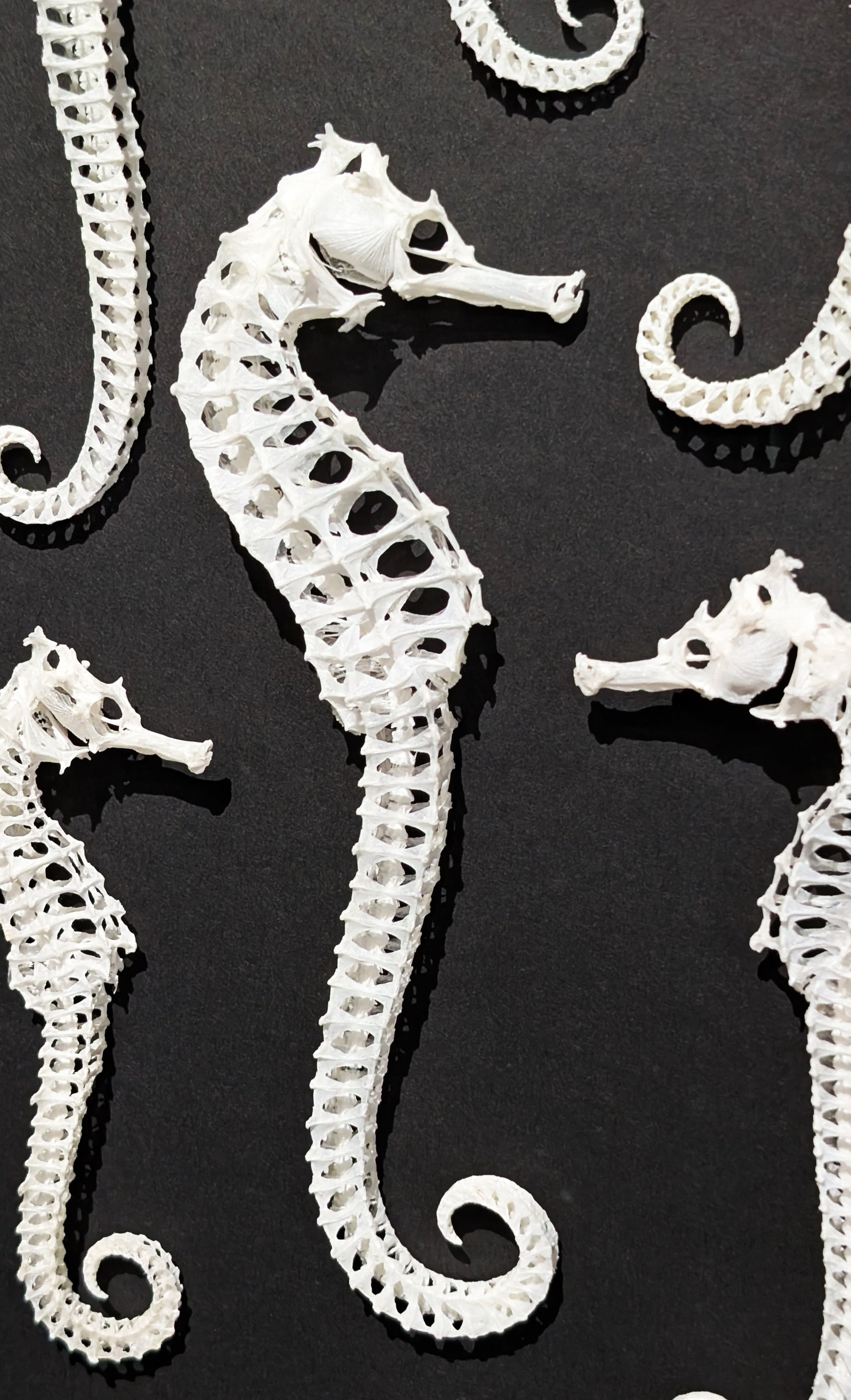
PHOTO ©NICOLE BRATT – Detail from Exquisite Creatures exhibit by Christopher Marley