The Art of Doing Nothing
/
Hello, fellow humans,
Are you good at doing nothing? Even for just a few minutes? Most of us aren’t. It certainly doesn’t come easily to me.
When were we ever taught how? Certainly not in school. Not in the productivity-focused culture we live in. Not on Instagram, where folks are always producing content on how to create, influence, hack, or improve something. Doing nothing is rarely modeled for us, let alone encouraged.
So I wonder, could we get good at it?
Like anything we might try to “get good at”, we could “do nothing” more often. An unlearning. An unraveling of the lifetime of messaging that tells us stillness equals laziness, and laziness is a sin. (Those poor sloths.) Consider your own judgments around “doing nothing” – where did they come from?
According to Google’s AI overview, the “art of doing nothing” is:
“…often called Niksen (Dutch) or il dolce far niente (Italian), is the intentional practice of being idle, daydreaming, or simply resting without a goal, serving as a powerful antidote to burnout, boosting creativity, reducing stress, and improving overall well-being by letting the mind wander and reset, distinct from mindfulness's focused awareness. It involves consciously stepping away from productivity, like staring out a window or enjoying a quiet moment, to allow your brain's "imagination network" to fire up, leading to new ideas and emotional balance.”
When I genuinely try to practice doing nothing, I notice how quickly my mind fills the space. I start making lists, spot something in the house that needs cleaned or put away, replay a conversation I recently had, or remember that I still need to email someone. My brain loves a project. It’s an exercise in self-control just to be there. Can you relate?
But I am interested in how this “doing nothing” might benefit our lives. In his book Being Peace, Thich Nhat Hanh wrote:
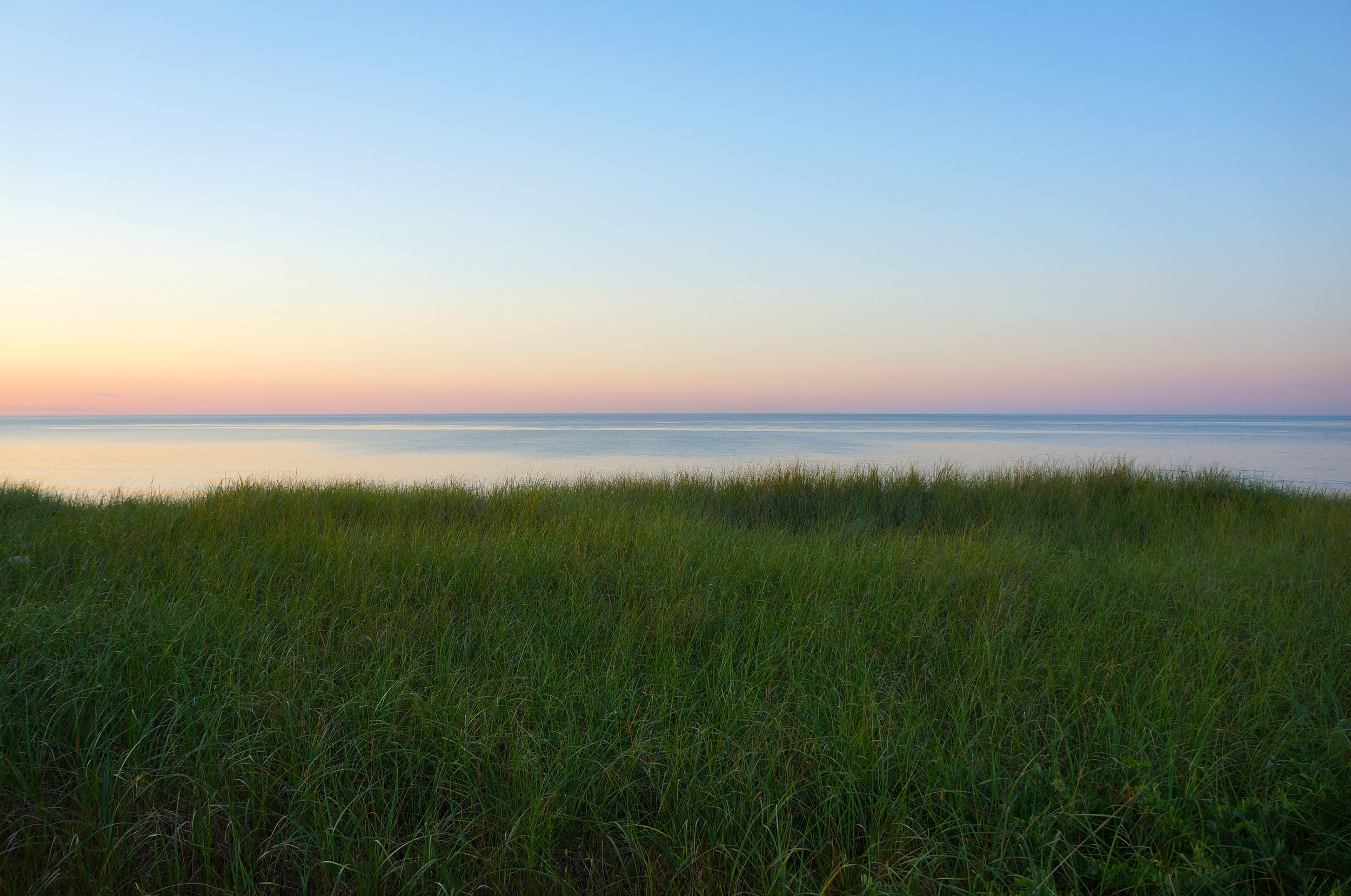
“Do we need to make a special effort to enjoy the beauty of the blue sky? Do we have to practice to be able to enjoy it? No, we just enjoy it. Each second, each minute of our lives can be like this. Wherever we are, any time, we have the capacity to enjoy the sunshine, the presence of each other, even the sensation of our breathing.
…
We are so busy we hardly have time to look at the people we love, even in our own household, and to look at ourselves. Society is organized in a way that even when we have some leisure time, we don’t know how to use it to get back in touch with ourselves.”
What is it to simply pause? To stop whatever we’re doing and just be. To release productivity for a few moments, and appreciate the moment.
I don’t necessarily mean formal meditation, though doing nothing could be meditative in its own right.
I also don’t mean reading a book, listening to music, or engaging in something creative. And I absolutely do not mean watching TV or scrolling scrolling scrolling on the phone.
I mean sitting on a park bench and letting the world pass you by… or at your desk just gazing out the window. Or maybe sitting in your living room and watching the flames dance in the fireplace, or your dog or cat breathing… Just being in presence with a loved one… Lying in bed after you wake up, appreciating that you are alive for another day, before you stand up into the vertical plane… Lying flat on the floor after you get home from work and allowing yourself to receive the gift of gravity for a few breaths. Being still and quiet. No agenda. No task before you.
What is it to carve out a few moments of “nothingness”?
What arises?
What softens?
What is released?
Maybe this is the most simple kind of nourishment. Maybe this is just the reset we need. Maybe this is permission to return to ourselves. Maybe this is a revolutionary act that says your value and self-worth are not tied to how much you got done today.
Wishing you pockets of so-called ‘nothing’ this week,
Nicole
PS. This newsletter was inspired by this Instagram post from @mindfulness.exercises, and Thich Nhat Hanh’s book Being Peace.