Your Yoga Practice Is Bigger Than You Think
/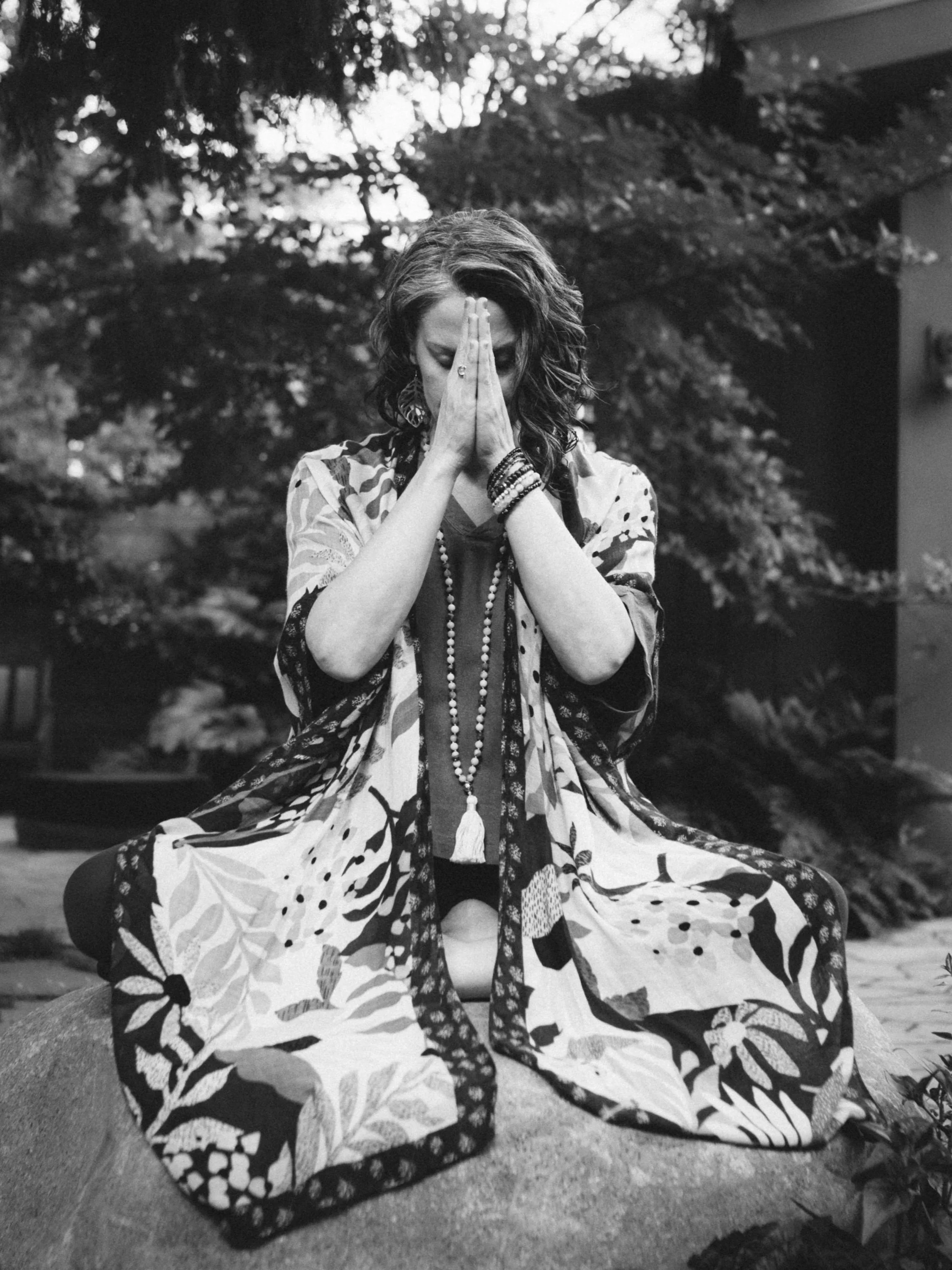
PHOTO by STERLING OCEAN
Dear ones,
Make no mistake: anything done with intention can be yoga.
In the Western world, when we hear the word yoga, we often think about movements and poses performed on a mat.
It makes sense that, for many of us, āsana – the physical postures – has been the entry point to the practice. Indeed, this was my own introduction to yoga once upon a time.
Working with the body can be a natural gateway. We can notice tension, engagement, and effort. We can experience what happens when we hold, strengthen, resist, soften, and relax. We can feel the breath. The body gives us something tangible through which we can begin exploring things that are less tangible.
Unfortunately, for many modern practitioners, yoga is also presented removed from the rich philosophical, spiritual, and cultural frameworks within which it developed – often taught solely as a physical practice. Add to that our visual society that frequently represents yoga through thin, flexible, able bodies in over-the-top poses – from glossy yoga magazines to today’s yoga-lebrity social media influencer feeds – and it isn’t particularly surprising that we’ve come to associate yoga with what a physical body can do.
But posture was never the whole practice or even the point.
Yoga is bigger than this: at its essence, it’s a practice of creating a healthy relationship with yourself – and with the world.
The word yoga comes from the Sanskrit root word yuj – to join, yoke, or unite. The practice invites us to integrate mind, body, breath, spirit, and the way we live – bringing these different aspects of ourselves into harmony, into alignment, into an authentic expression of who we are.
In the philosophical traditions from which yoga emerged, there was already a framework for contemplating the nature of Self, consciousness, and our relationship to something larger than the individual self (both in community and within Nature). The body could be a doorway into that inquiry – not necessarily the destination.
And that’s where our understanding of what “counts” as yoga can begin to expand.
The practice can take many forms. Even if you can’t get down on the floor or stand up on a mat, you can still practice yoga. The yoga of your breath. The yoga of your mind. The yoga of your speech. The yoga of your activism. The yoga of setting boundaries. The yoga of the lifestyle choices you make throughout your day.
If yoga is ultimately about how we relate to ourselves, one another, and the world around us – and about releasing what makes us believe we are separate in the first place – then the practice isn’t confined to what happens on a mat. It can (and will) show up anywhere, anytime.
So if you think you don’t have time for yoga... or you aren’t flexible enough... or don’t have the financial resources to pay for class... or it’s too “woo-woo” for you... I’d like to (lovingly) challenge you…
There’s time and good reason to take three mindful breaths before an important conversation.
There’s time to choose something seasonal and delicious the next time you are at the farmers market or grocery store that will nourish your body and delight your senses.
There’s time to notice when the balance between work, play, and rest has tipped too far in one direction – and then to make a small choice that will bring you back toward center.
It costs nothing to sit at your desk and take a stretch + breath break.
Or to go for a short walk outside.
Or to pause and take a drink of water before you send that next text.
Or to sit and watch the birds in your garden while you sip your tea.
Or to let that fellow human merge in front of you at rush hour.
But there are many things to gain.
And psssst! – flexibility isn’t the goal.
None of this requires signing up for a class or paying money to a studio. (Not that I don’t want you to support your local independent yoga studio!)
Yoga asks you to notice, and then to make mindful choices that are aligned with what you value, how you want to feel, and who you are at your most authentic and fully expressed.
Does physical movement matter for those of us who can do it? Absolutely. We have plenty of evidence for the physical and psychological benefits specific to yoga – from supporting strength, mobility, balance, and pain relief to helping us regulate stress and cultivate greater awareness and resilience. I could talk about that research all day.
But I suspect most of you reading this already know that yoga is good for you.
So today, I’m more interested in a simple invitation:
Choose one thing today that serves your best self.
Take the breath. Go for the walk. Take the nap. Nourish yourself. Pay attention to how you speak to yourself. Put the phone down and look at the person sitting across from you. Notice what brings you back into balance and into presence.
Whatever you choose, let it be meaningful. Let it feel beautiful, sacred, and important – even if no one else ever sees it. Do it for yourself.
And then notice: What happens when you begin to weave yoga into the ordinary moments of your life?
I believe it would change the world.
With hope,
Nicole