
The Backpack
/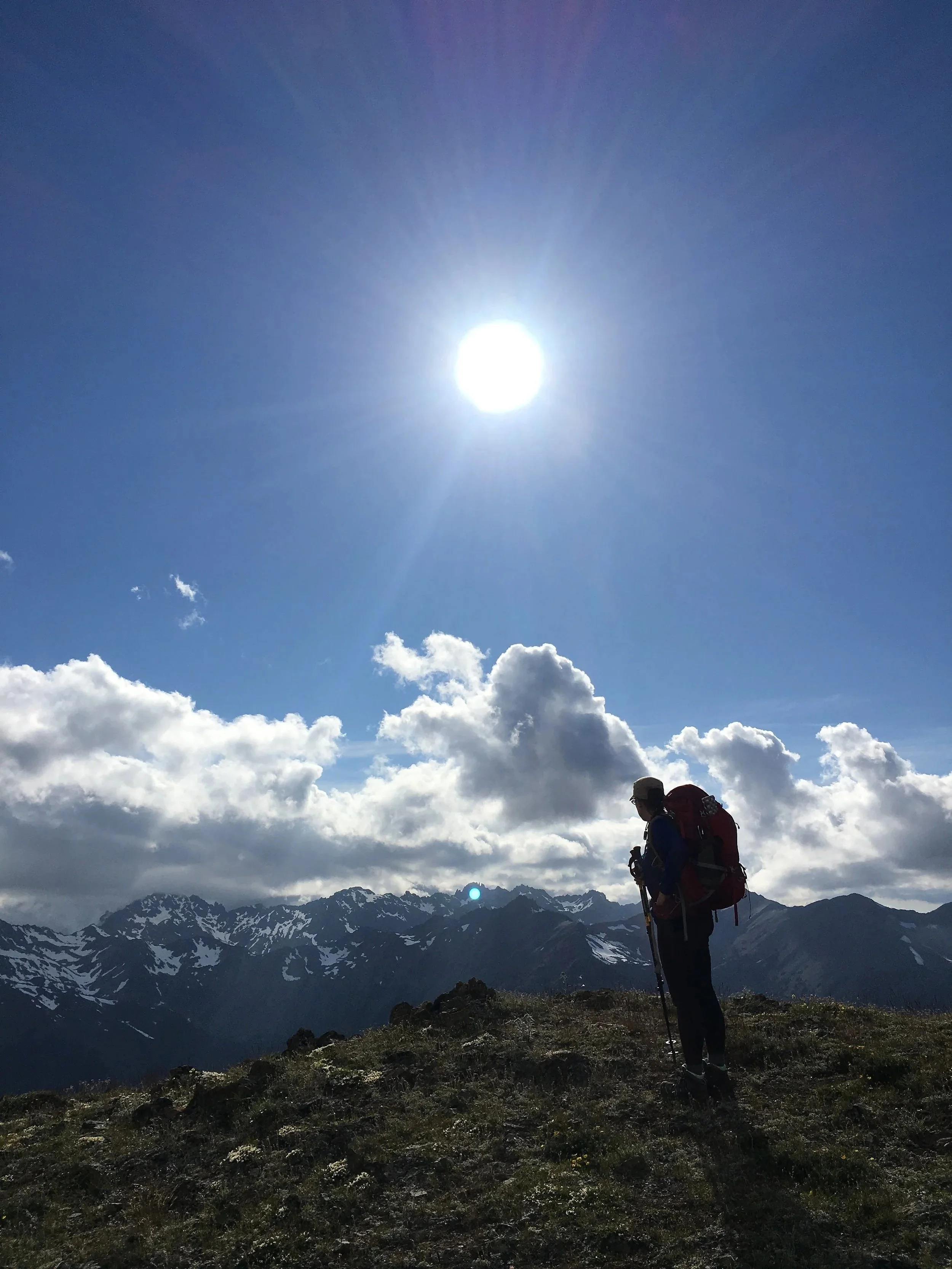
Nicole in the Olympic Mountains, ©Patrick Kern
Dear ones,
I’ve been reflecting on accumulated stress lately. The way life keeps piling things on, one at a time – sometimes small, sometimes not so small – until you’re stooped over, barely able to carry the load. You didn’t even realize it had become so heavy.
I want to say upfront that I am not immune to stress. Because I think there’s an assumption that yoga teachers exist in some kind of blissed-out bubble – meditating, doing sun salutations, and drinking green tea all the time. We are not immune; turns out, we’re also human.
Just this week in my world: multiple phone trees complete with horrid on-hold muzak and repeated assurances that my call is very important to them, not one but two(!) full voicemail boxes so I can’t leave a message, the hunt for a local PT that actually takes my insurance, rescheduling already-rescheduled medical appointments, navigating life with an aging dog with dementia, sitting in heavy traffic just to get organic groceries, playing phone tag with the dentist… the list goes on.
Small stuff, I know. But that’s kind of my point.
And when I say stress, I mean all of it – both positive stress (called eustress) and negative stress (called distress). It all adds to the load. None of the things I just listed are catastrophic. Yet they pile on to all the other things.
And if you’re already carrying a full load, eventually some small thing will feel like it’s the last straw. (That idiom comes from “the straw that breaks the camel’s back”... so there’s that dark reference!)
There’s a famous quote attributed to Rumi:
“If you are irritated by every rub, how will your mirror be polished?”
I love considering this, and it comes to my mind whenever things feel a little too much. For me, it’s also a reminder to notice when I’m at capacity. Because if everything is “rubbing” with friction, that’s important information, yes? The implication here is that we cannot then see clearly.
I sometimes think of the stress load like a backpack. You start out, maybe it’s empty or very light… but then you put something in… and carry it with you. You missed the bus. A frustrating phone call. A miscommunication. Recurring aches and pains. A plan falls through. A night of poor sleep. A second night of poor sleep. A month of poor sleep (I’m looking at you, perimenopausal folks). The unexpected medical bill. A rough conversation with your boss or partner that didn’t get resolved. Upsetting local and world news. A most unwelcome diagnosis. You get the idea.
You keep adding things to your pack steadily, and you keep pushing on because that’s what you do… you don’t notice the weight until one day you just can’t carry it any further.
An essential resilience practice – whatever form it takes – is anything that lets you set that backpack down, discern what you don’t need, let it go, and make some space. To let your nervous system reset toward its baseline. Because life will keep handing us things to carry. And some of it won’t be small stuff. We need to take intentional breaks and lighten the load – not as a luxury, but as necessary maintenance.
This is why I believe in yoga as deeply as I do. Not because it’s the only path (it’s not), but because it’s holistic and it works. It has worked in my own life, and I see it work in my clients’ and students’ lives time and again. It gives us ways to work with the physical body, breath, mind, nervous system, daily life, relationships – all the dimensions of ourselves and our lives affected by what we carry.
It’s not a quick fix. It’s learning, over time, what actually works for you – not a generic prescription, but specific tools for metaphorically setting your backpack down and lightening your load.
That’s the work I do with my private clients: figuring out together what those specific, unique tools might be, and making them accessible enough that they actually get used.
That’s the space I hold in my group classes and special events: creating a container for stillness, release, peace, and rest that welcomes everyone into the room and gives them an opportunity to set the backpack down – even if only for the hour.
If you’ve been feeling the weight lately, I want you to know: it’s real.
And there’s something to be done about it. Consider what that something might be for you. If you don’t have the tools and resources on your own, seek help – it’s out there. (If you aren’t sure where to start, please reach out – I’m often able to point people in a useful direction.)
This is how we build resilience – not by carrying more, but by learning what helps us effectively recover and reset.
Sending wishes to each of you for a lighter load,
Nicole
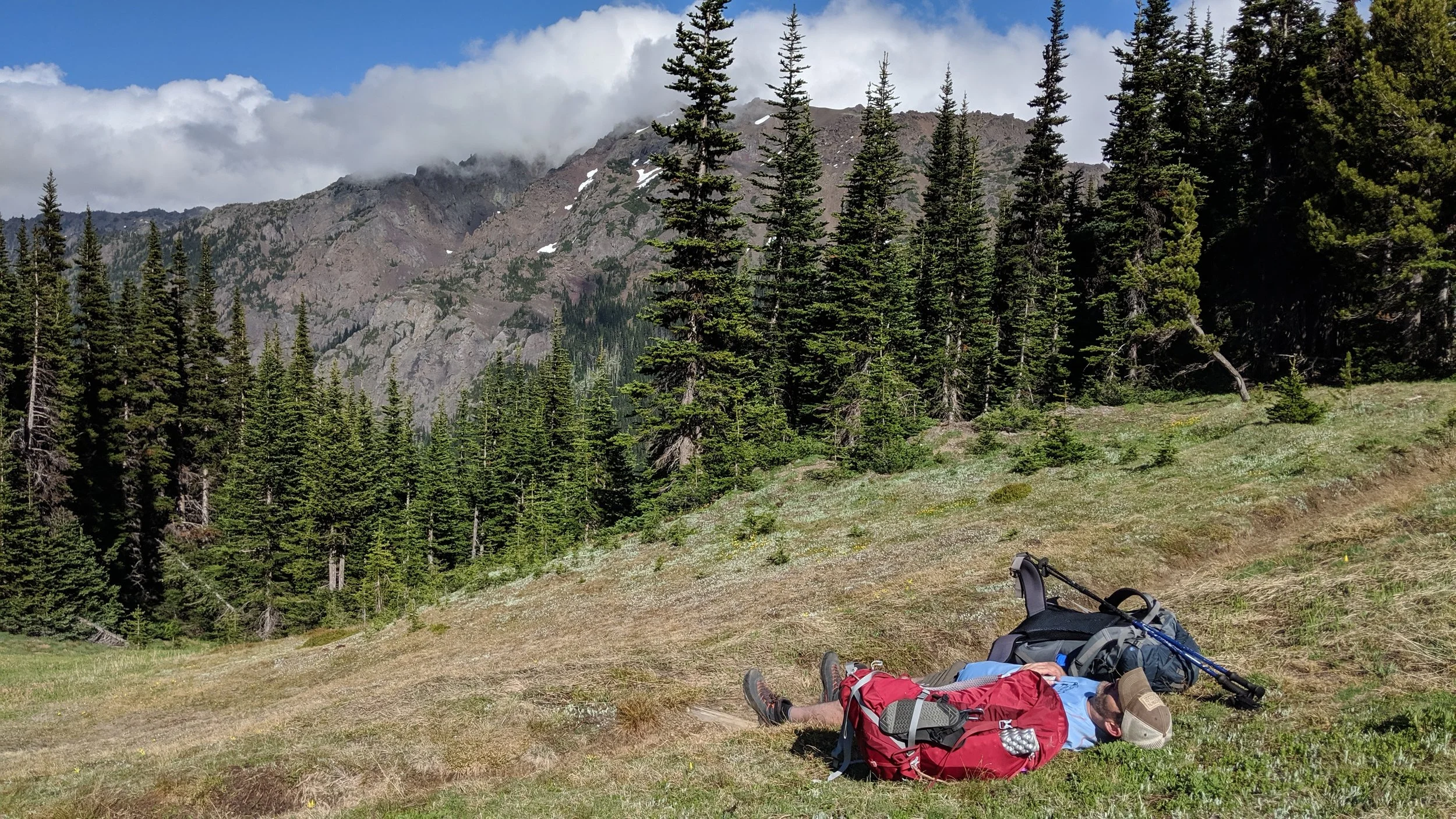
©Nicole Bratt
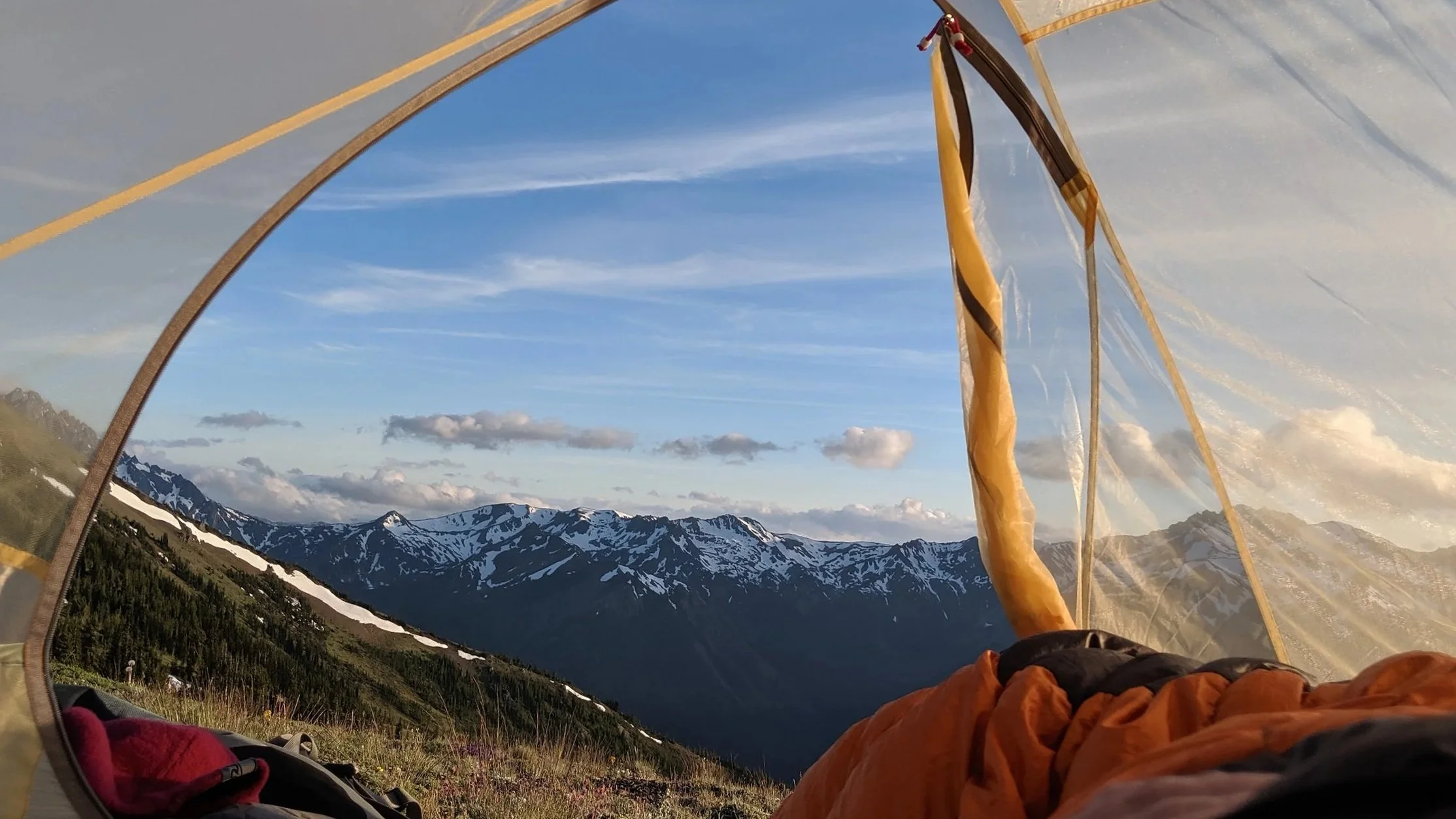
©Nicole BRatt
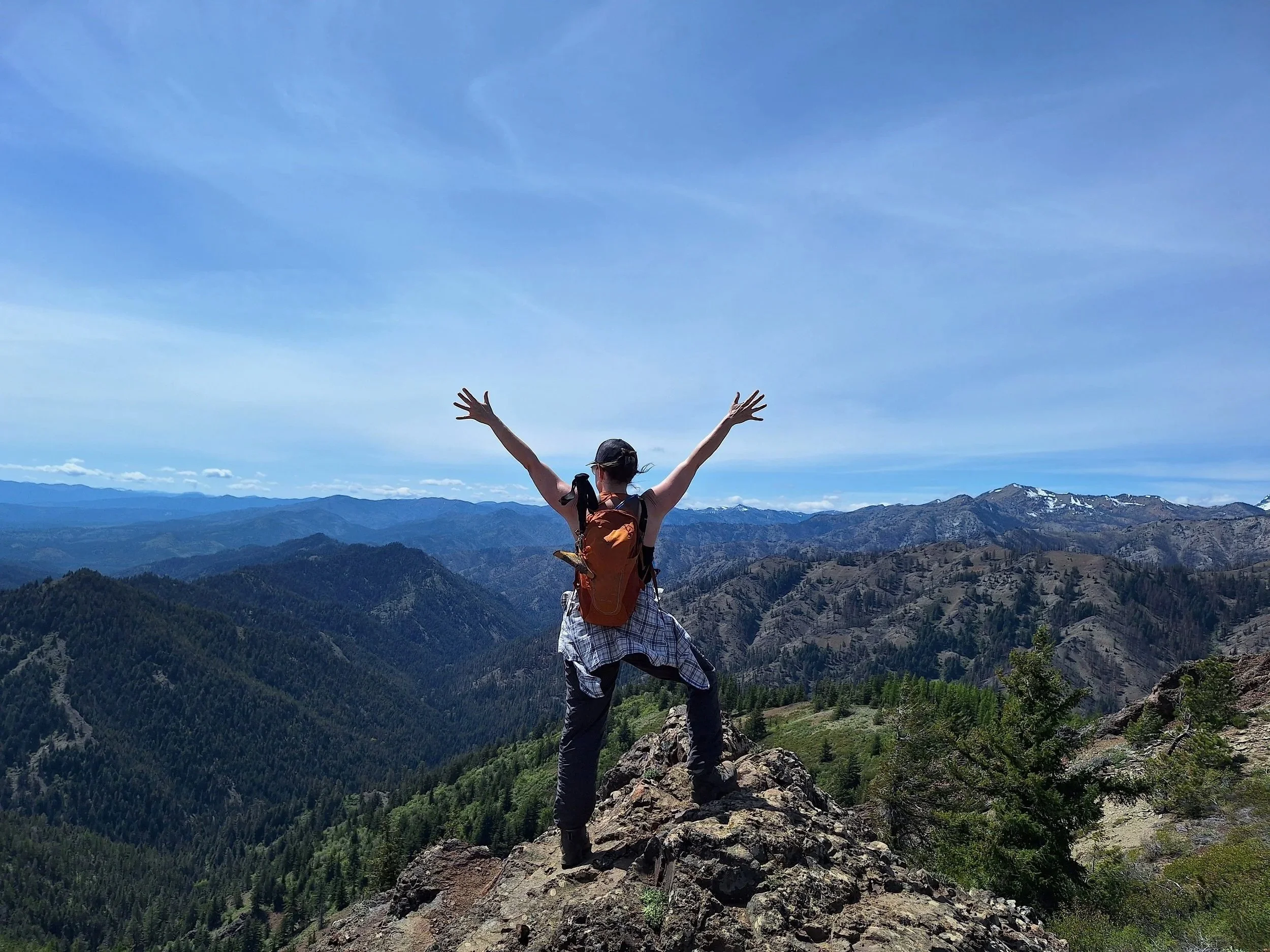
Nicole in the Cascade Mountains, ©Bobbi E